
Bedframes
Solid wood bedframes built for strength, stability, and simple setup.
No squeaks. No shifting. Just quiet sleep.
Built by hand — not mass produced
- Solid wood construction
- No metal joints to fail
- Built to last years, not months
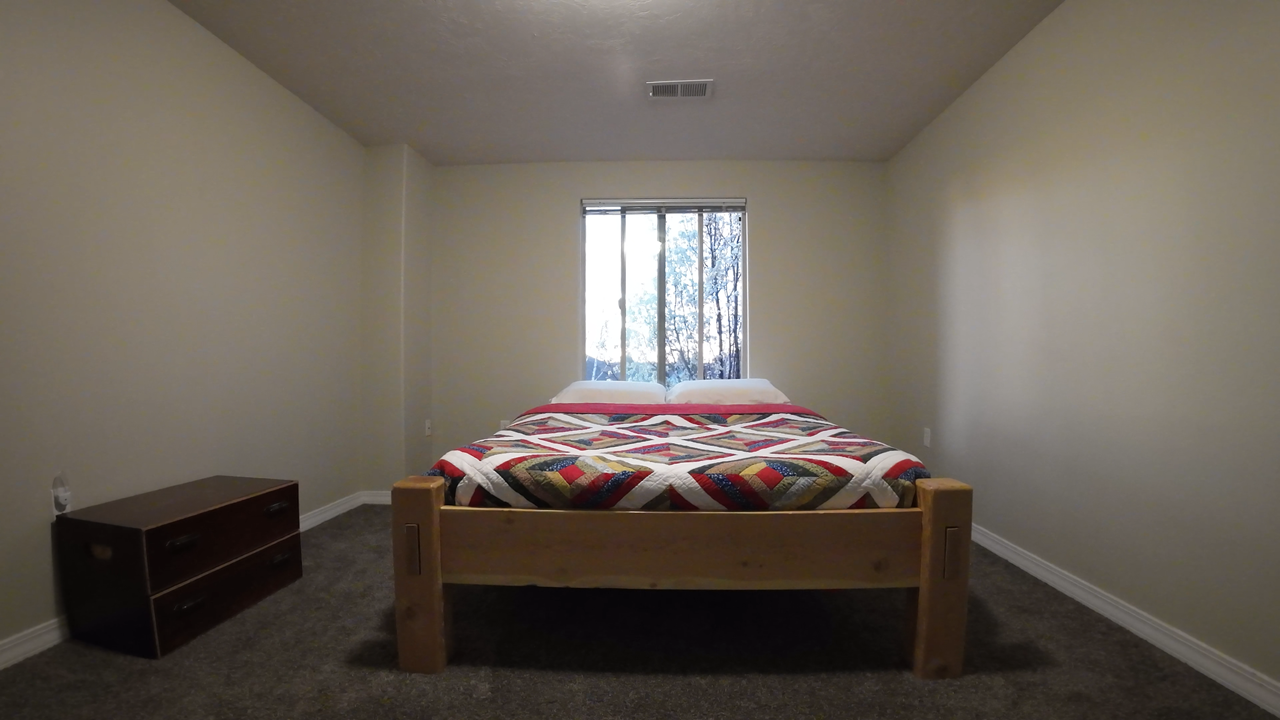
Info — Why First Breath?
When I first started building my own bedframe, I kept thinking about the ones I had before—frames that shifted, moved, and squeaked every time you got on them. They worked, but never felt solid.
Then I remembered the bunk beds my dad built. Nothing fancy—just lumber, lag bolts, and plywood. But they were incredibly sturdy. No movement. No noise. They just worked.
Years later, I tried cheaper frames again—metal platforms with broken welds, store-bought frames that failed under normal use. That’s when I stopped settling.
So I built my own.
Simple design. Solid wood. As few moving parts as possible.
Now I sit back and think—yeah… this is what a bedframe should feel like.
Thanks, Dad.
Stability — Structure & Support
Our frames are built to feel planted—quiet, solid, and dependable.
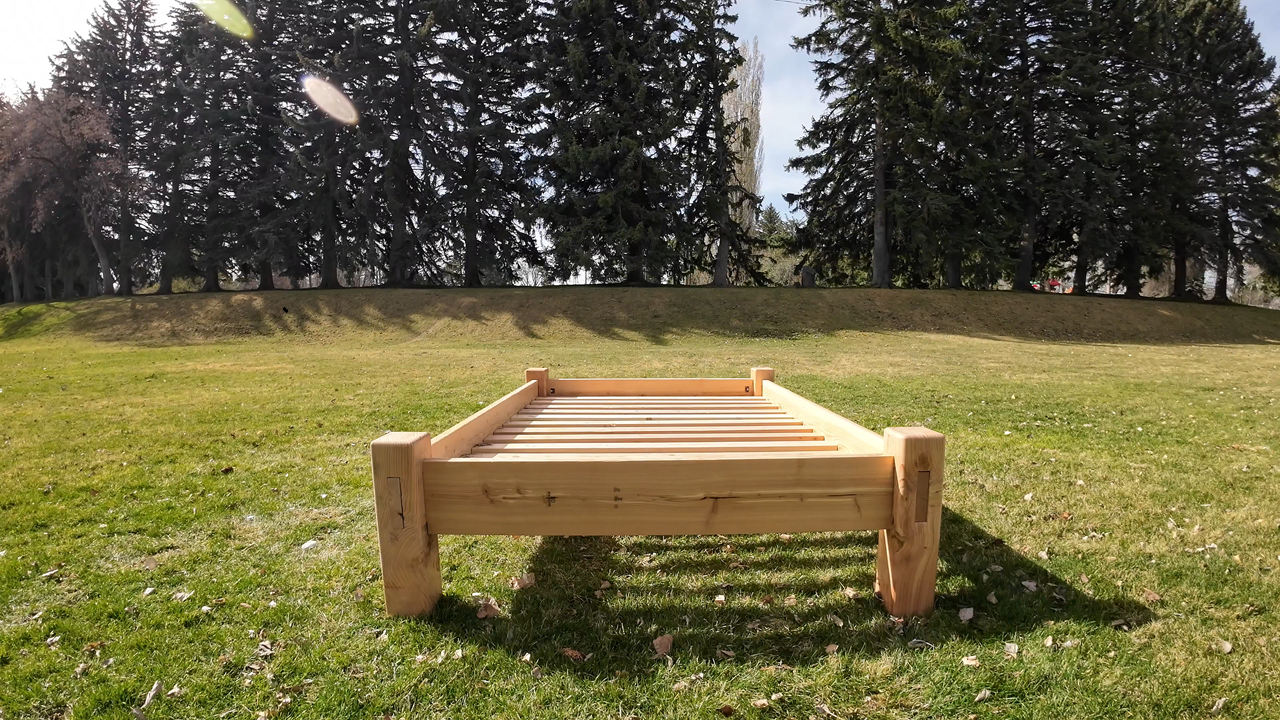
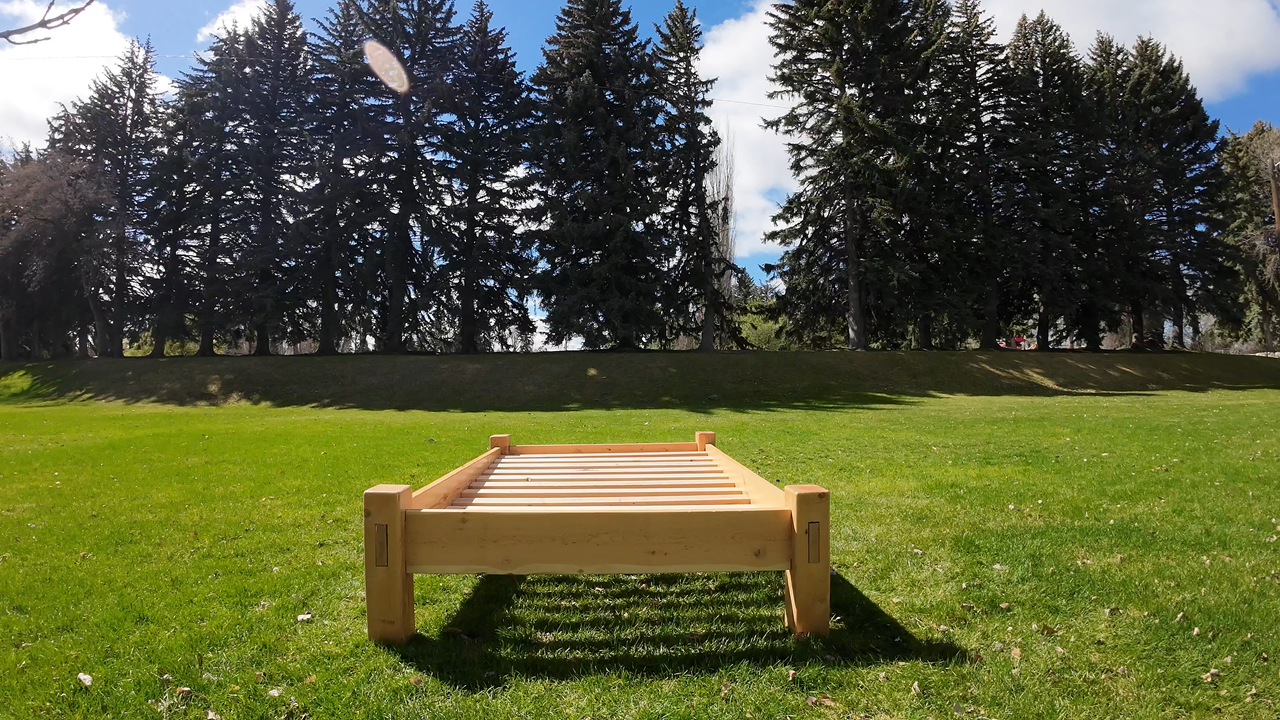
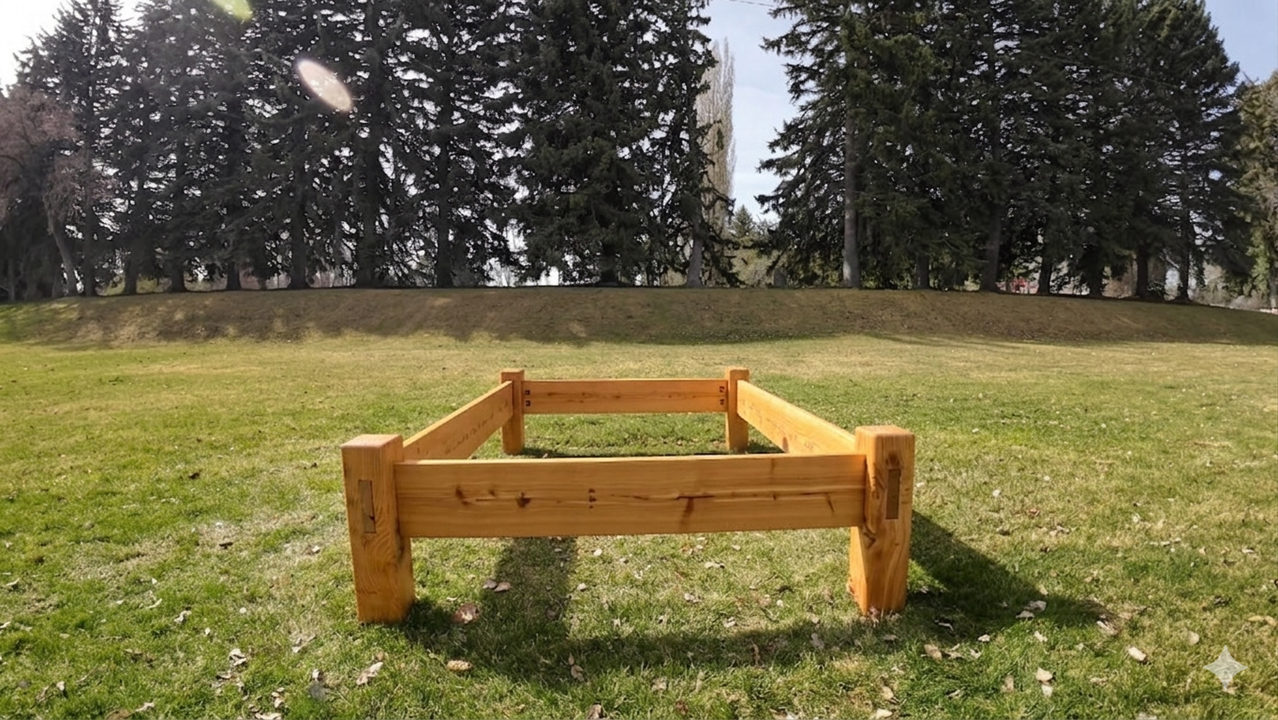
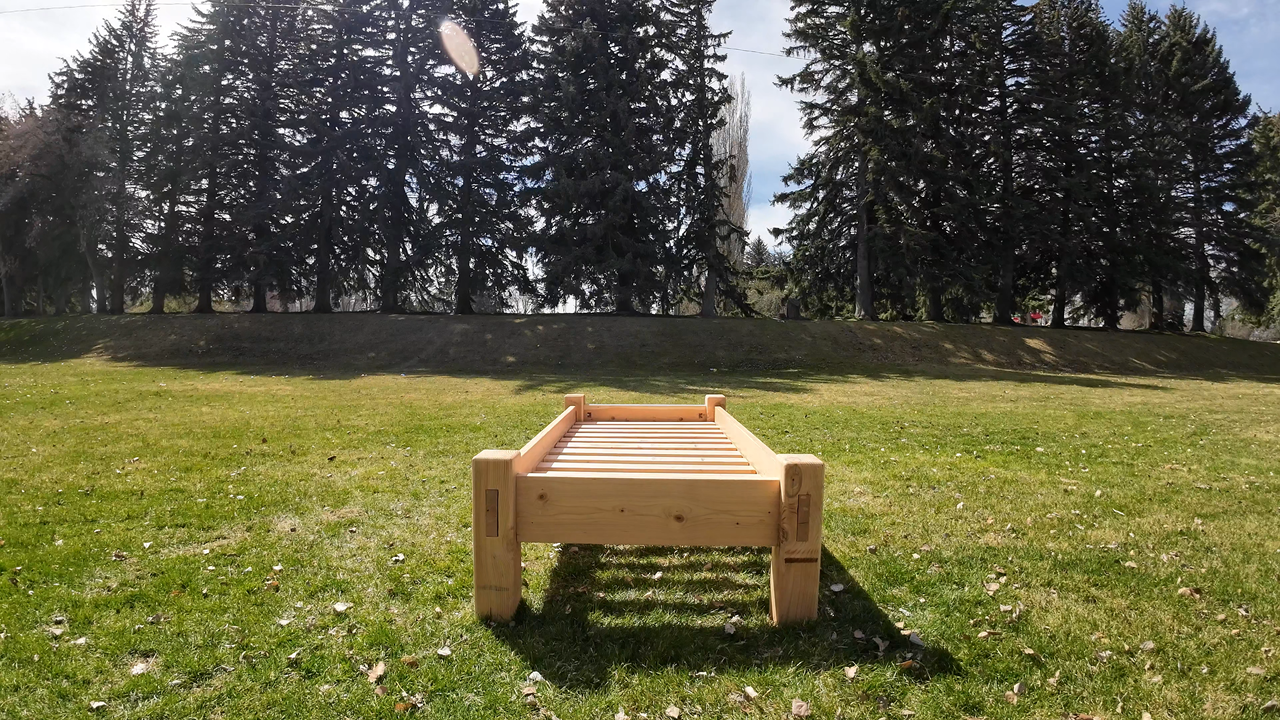
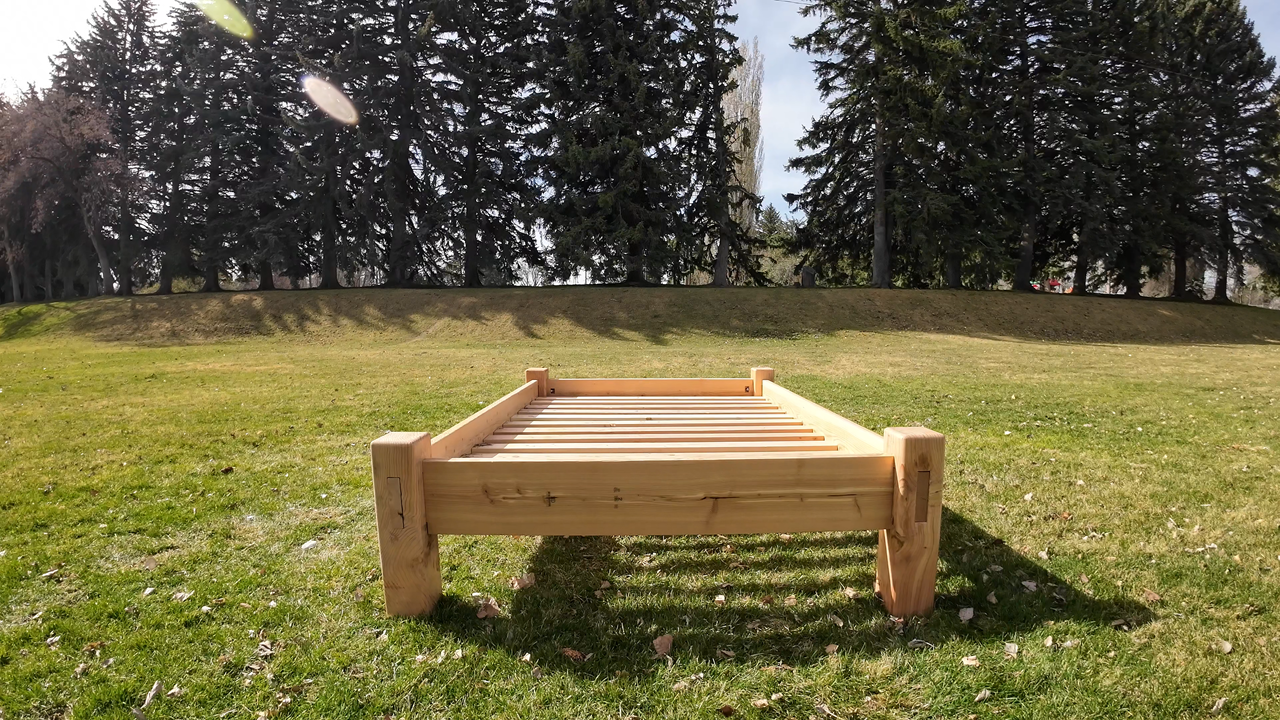
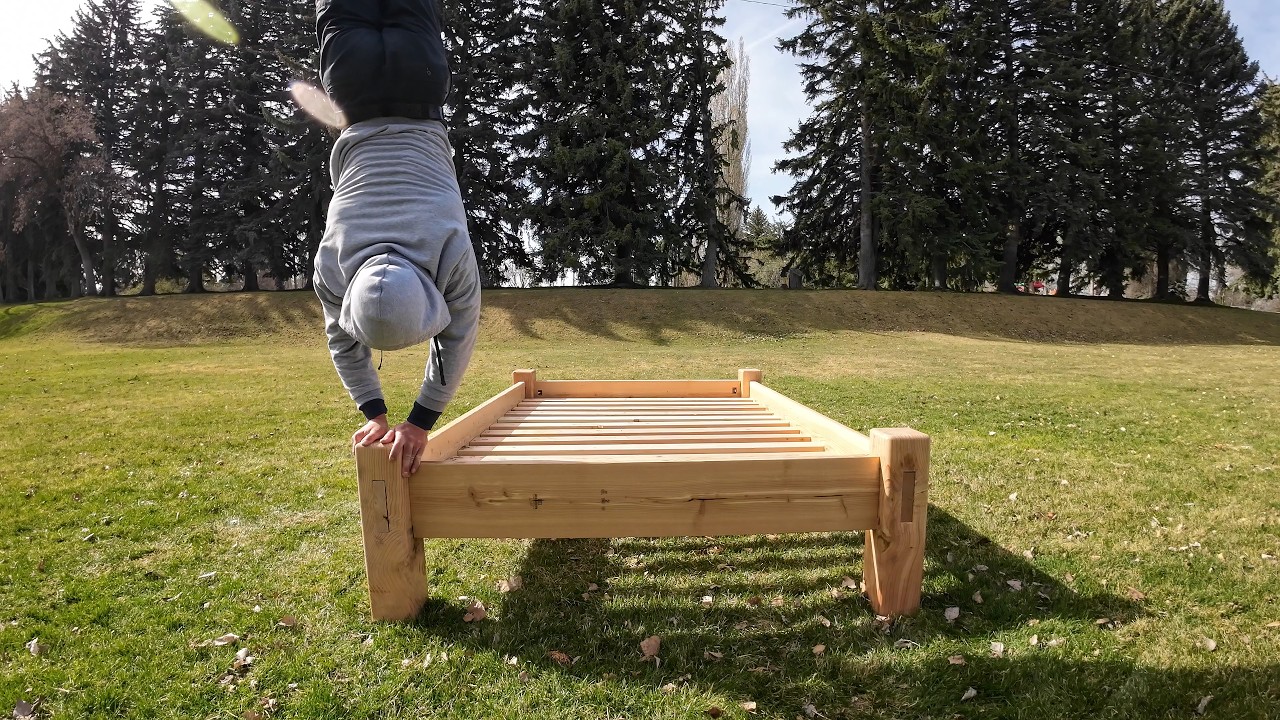
Floor contact matters. We use 6×6 legs to create a wide, stable base that helps prevent shifting.
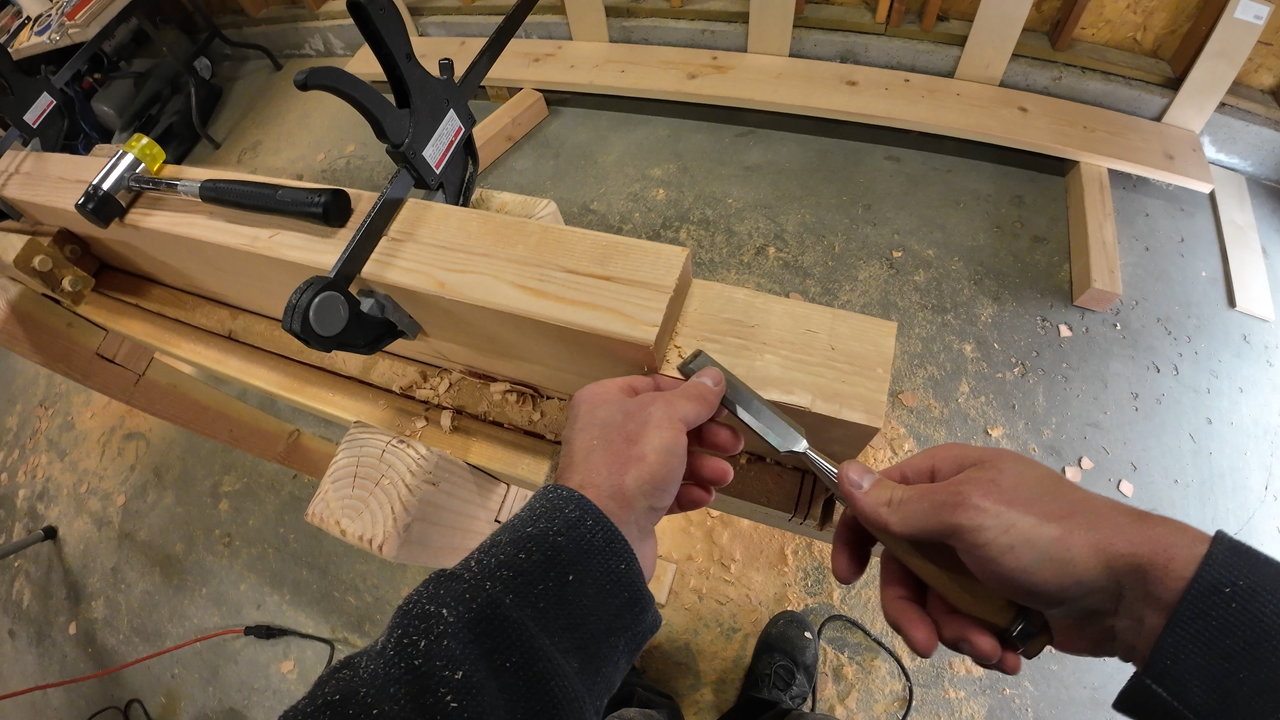
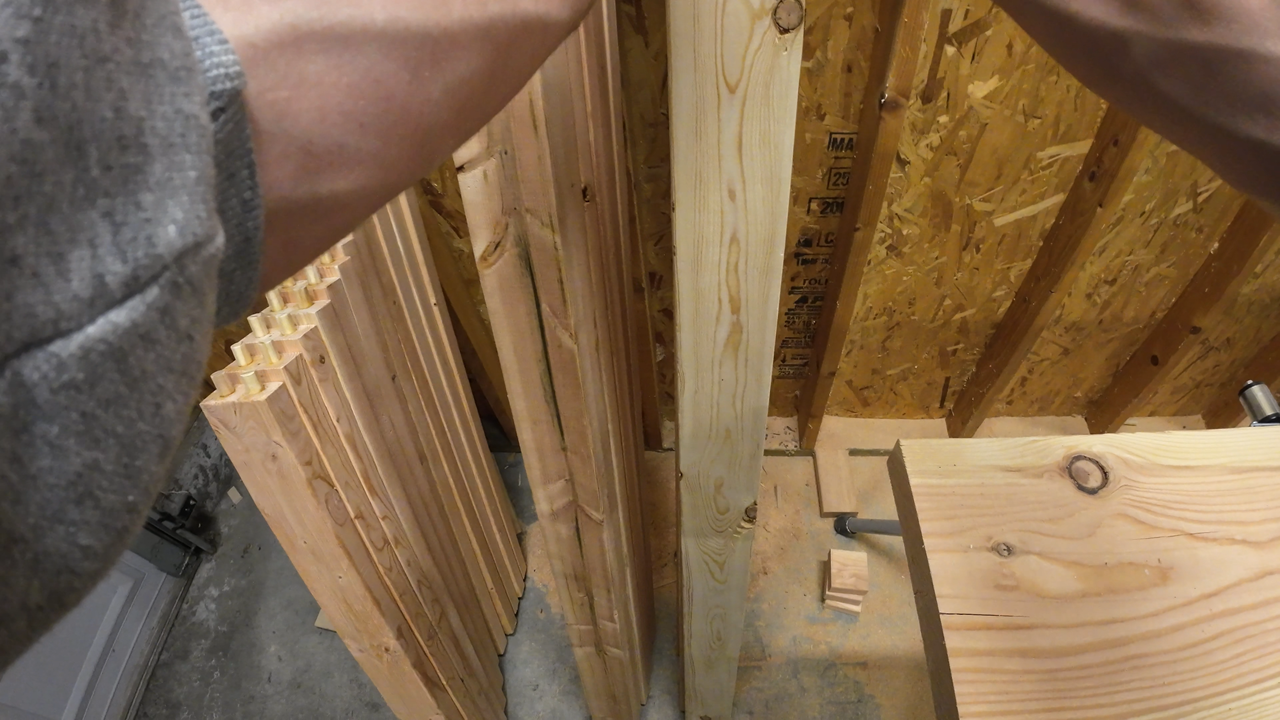
Mortise-and-tenon joints lock the frame at 90°, reducing movement and noise through the night.
The side rails and head/foot boards create a taller retaining border that helps keep the mattress properly supported — reducing edge sagging and helping maintain its shape over time.
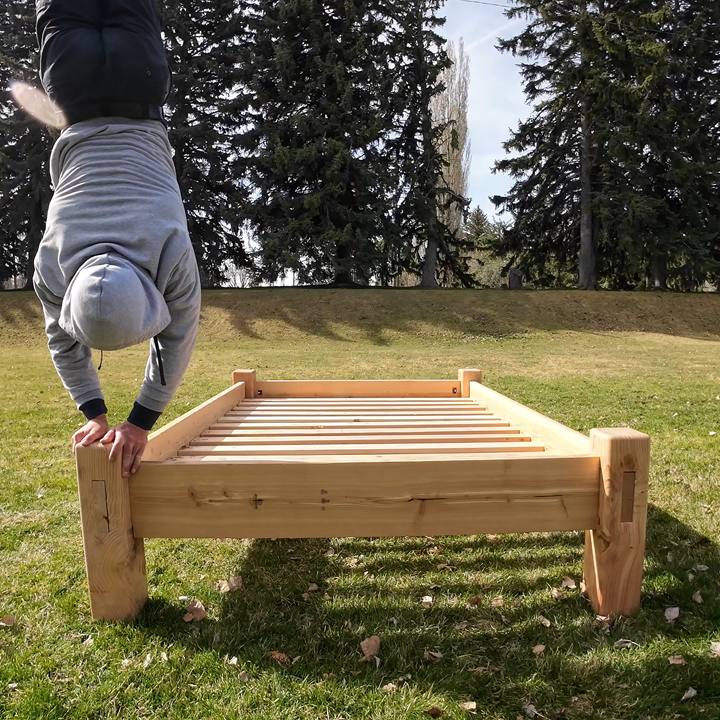
This becomes especially important when weight is applied—like sitting on the edge or using the rail to get up. A solid platform keeps everything steady.
Many frames are built light for easy transport and quick assembly, using thinner materials that allow more flex over time.
The tradeoff is durability—more prone to shifting, wear, and failure.
Our frames take a different approach. Most frames are built to move. Ours are built to stay put.
Built from solid wood, they are heavier and more grounded. This adds effort during transport and setup, but results in a frame that stays firmly in place.
Quiet. Stable. Consistent — night after night.
Slats — Support & Feel
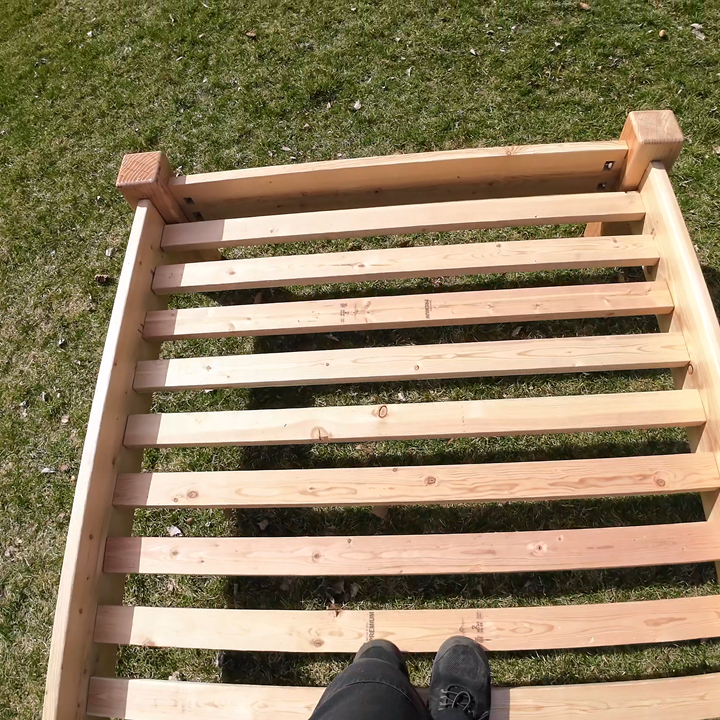
Our slats are made from 2×4 lumber, giving them a full 1.5" thickness. Most standard slats are closer to 1".
That difference changes how the bed feels. Thinner slats flex more, which can feel softer at first—especially with lighter or thinner mattresses.
Thicker slats reduce that flex, creating a more stable and consistent surface under the mattress.
The result is a firmer, more grounded feel—less bounce, less variation, and more even support across the entire frame.
There is a tradeoff—you may feel the slats slightly more with thinner mattresses (around 8"). In return, you get a platform that stays consistent without relying on a center support bar.
Cleats — Simple System
Why use a dowel system instead of cleats?
Traditional cleats rely on extra pieces—rails and spacers—to support and position the slats.
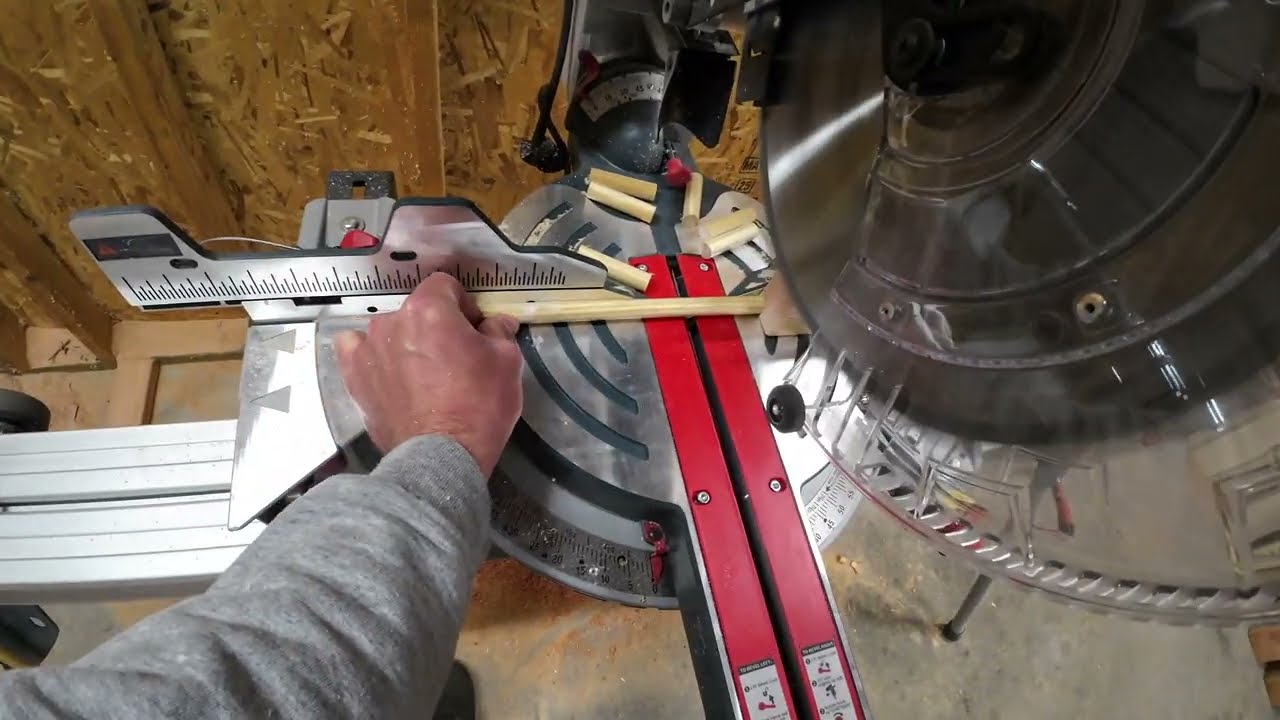
Our approach is simpler. Each slat is set using dowels, keeping everything aligned with fewer components.
Fewer parts means fewer points of movement—resulting in a system that stays solid and consistent.
Sizes & Specs
Twin XL
Size: 46" x 87"
Frame weight: ~156 lbs
Full XL
Size: 61" x 87"
Frame weight: ~175 lbs
Queen
Size: 67" x 87"
Frame weight: ~185.5 lbs
King
Size: 83" x 87"
Frame weight: ~207 lbs
All frames
Includes 12 slats
Seat height: 23"
Sturdy frame: 3,000 lbs. capacity
Ample under-bed storage: 11" clearance underneath
My Personal Setup
This is the setup I personally run:
Bedframe — IBT First Breath
Mattress — Sleep EZ Organic Latex
100% Natural Talalay, sourced from Talalay Global
Known for producing soft, high-quality latex.
Layers: Soft, Soft, Medium
Latex is heavier than foam, but provides consistent support over time.
Sheets — California Design Den 100% Cotton
A simple, comfortable set with clear head/foot orientation.
Encasing — Mission Allergy mattress encasing
From there, it’s flexible—mattress protectors, quilts, or whatever you prefer on top.

Watch
Configurations